

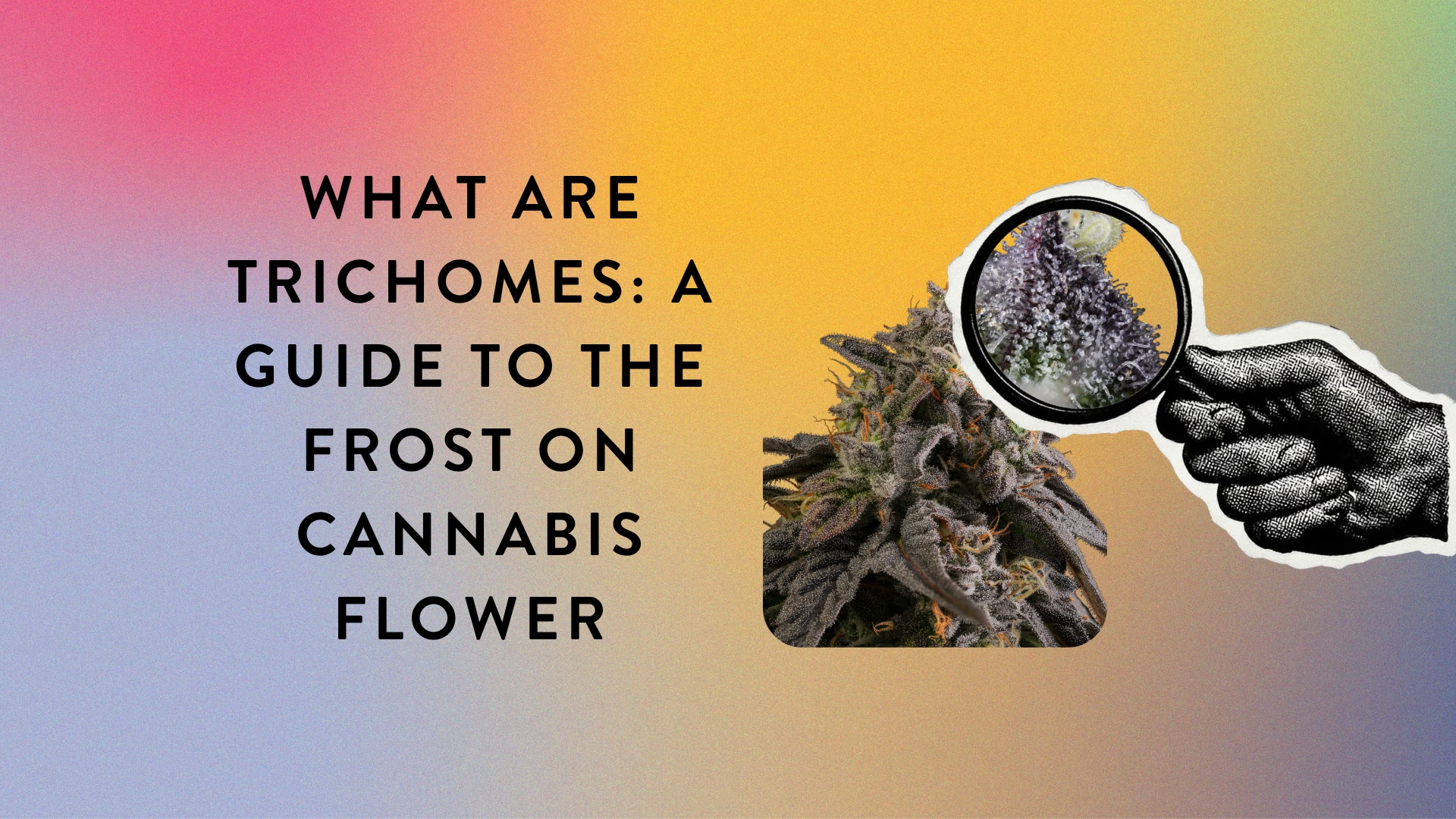
Almost every cannabinoid and terpene in a cannabis flower is made inside structures so small you’d need a magnifying glass to see them clearly. Those structures are trichomes, the sparkly “sugar” that makes good flower look like it’s been dusted with frost. If you know how to read them, they tell you a surprising amount about how a flower was grown, harvested, handled and stored.
This guide answers the question of “what are trichomes?” in plain language, then makes it practical. You’ll learn what they do, what the clear, cloudy and amber colors mean, what to look for through a jar and why rough handling quietly strips away the parts of the flower you’re paying for.
The Sugar on the Bud
The first time most people see high-quality flower up close, they notice the shimmer. Tiny crystals seem to cover every surface, and the bud can look almost white in the right light. That’s what people mean by “frosty” flower. The frost isn’t sugar, mold or anything added. It’s a dense layer of resin glands the plant grew on purpose.
Frost is a big part of what the industry calls bag appeal, the visual impression a flower makes before you ever smell it. It’s also one of the first things experienced consumers check. But to use it well, you need to understand what trichomes do on the plant and what they can and can’t tell you.
Cannabis Trichomes Explained
Trichomes are tiny outgrowths on a plant’s surface. Lots of plants have them, including tomatoes, mint and lavender. Some are simple hairs that protect the plant from insects and harsh weather. Others are glandular, meaning they produce and store chemical compounds. On cannabis, the glandular ones are the stars, and they’re concentrated on the female flowers and the small leaves surrounding them.
The Three Types of Glandular Trichomes
Researchers group cannabis glandular trichomes into three types.
- Bulbous trichomes are the smallest and are scattered across the plant’s surface.
- Capitate-sessile trichomes are a bit larger and sit close to the surface without much of a stem.
- Capitate-stalked trichomes are the ones you see as frost. They look like tiny mushrooms, with a round head perched on a stalk that can lift it several hundred microns above the surface.
Those stalked trichomes do most of the heavy lifting. A study from the University of British Columbia found they contain 12 to 16 secretory cells that pump out cannabinoids and terpenes, and older research found stalked heads can hold up to 20 times more THC than the smaller sessile ones.
A 2021 review in Frontiers in Plant Science describes them as a cellular metabolite factory, which is about as good a nickname as they could ask for. So when someone asks “what are trichomes?” on a flower, the short answer is that they’re making almost everything you care about.
Trichomes vs Pistils
New consumers often confuse trichomes with pistils. Pistils are the longer, hair-like strands that turn orange, red or brown as a flower matures. They’re part of the plant’s reproductive system and don’t hold much in the way of cannabinoids. The frost is the trichomes, and the colorful hairs are the pistils. Mixing the two up is the most common mistake people make when they first ask what trichomes are.
What Trichomes Do for the Plant and for You
Understanding trichomes starts with the plant’s own survival. Their sticky resin can trap small insects, and their strong aroma can discourage animals from eating the flowers. Scientists also believe the resin helps shield delicate flower tissue from ultraviolet light and moisture loss. The plant spends real energy building them, so they’re clearly doing important work.
A Tiny Factory for Cannabinoids and Terpenes
For consumers, trichomes matter because that’s where the good stuff lives. The head of each glandular trichome produces cannabinoids like THCA and CBDA, along with terpenes such as myrcene, limonene and pinene, then stores them in a small cavity under a thin outer skin. So when someone asks whether trichomes contain THC, the answer is yes. In fact, they contain nearly all of it. For more on how those two compound groups differ, see our guide to terpenes vs cannabinoids.
That structure also explains why trichomes are fragile. The outer skin holding everything in is thin, and the stalk is delicate. Bump, squeeze or overheat a flower and heads snap off or rupture, taking aroma and potency with them.
Trichomes and Potency: A Clue, Not a Score
Once people learn what trichomes are, the next question is usually whether more of them means stronger flower. Often, but not always.
A heavily frosted bud usually has more resin, and more resin generally means more cannabinoids and terpenes. But genetics matter. Some cultivars produce big, showy trichome heads with modest potency, while others look plain and test strong. Freshness and handling matter, too. A frosty flower that’s been sitting in a warm room for months may look great and smell like very little.
Think of frost as a quality clue rather than a lab result. It tells you the plant was capable of producing resin and that the trichomes haven’t been knocked off. It doesn’t tell you the exact potency or terpene content. For that, check the certificate of analysis.
Reading Trichome Color at Harvest
Growers rely heavily on trichomes to decide when to harvest, because their appearance shifts as the plant matures. For growers, the answer to “what are trichomes?” telling me is mostly about timing, and learning to read them is one of the most useful skills you can build.
Getting a Closer Look With a Loupe
You can’t judge trichome color with the naked eye. Growers use a jeweler’s loupe, usually around 30x to 60x magnification, or a small digital microscope. Seeing trichomes under a microscope for the first time is striking: what looked like a dusting of sugar turns into a forest of glassy stalks topped with glistening heads. It’s worth trying at least once, even if you never grow a plant.
Clear vs Cloudy vs Amber Trichomes
Clear trichomes look like tiny glass bulbs. They’re still developing, and the flower typically isn’t ready. Cloudy, or milky, trichomes have turned opaque, which growers read as a sign the flower is near its peak. Amber trichomes have taken on a golden or brownish tint as the resin ages, and some compounds begin to break down.
Many growers aim for a harvest window when most trichomes are cloudy with a small portion turning amber. Some wait for more amber, believing it produces a heavier, more relaxing experience. That belief is a long-standing grower tradition rather than something research has firmly established, so use color as one tool among several, alongside the plant’s overall development and the pistils.
Why Color Matters Less Once Flower Is Cured
By the time flower reaches a dispensary shelf, it’s been dried and cured, and those steps change how trichomes look. That makes color much less useful for shoppers than for growers. Drying pulls moisture out slowly so the trichome heads stay intact, and curing, which usually runs at least a couple of weeks in sealed containers, lets the flower’s moisture even out and its aroma round off. Done well, both steps protect trichomes. Done poorly, with too much heat or too much handling, they’re where a lot of frost gets lost. At the counter, you’re better off judging coverage, intact heads and aroma than color.
How to Tell Good Flower by Its Trichomes
Once you understand what trichomes are and why they’re delicate, you can use them to spot well-grown, well-handled flower. You don’t need a loupe for this. Your eyes and nose do most of the work.
What to Look for Through the Jar
Start with coverage. Quality flower usually looks evenly frosted across the buds and the small sugar leaves, not just in a few patches. Next, look at the texture. Healthy trichome heads give flower a sparkly, almost glittery look. Flower that looks dull or greasy may have been crushed, overhandled or exposed to heat. Finally, check bud structure. Buds that hold their shape without flattening are more likely to have intact trichomes.
Then use your nose. Because trichomes hold the terpenes, a loud, distinct aroma is a good sign they’re intact and fresh. If a flower looks frosty but smells faint, something likely happened during drying, curing or storage. Checking out Nightjar’s flower selection is a good way to compare what different cultivars look like, and budtenders can often show you the jar so you can judge coverage and aroma yourself.
Signs of Rough Handling
Trichomes break off easily, so rough handling shows. Watch for buds that look flattened or matted, a layer of fine powder at the bottom of the jar or packaging, and flower that feels damp or overly dry. Heat is another enemy. Trichome resin softens as temperatures rise, so flower stored in a hot room or car can lose aroma and turn sticky and dull.
Protecting Trichomes at Home
Knowing what trichomes are made of- a fragile and aromatic resin- changes how you store flower. Everything you do after you get home affects how much of that resin you actually enjoy.
Store flower in an airtight container in a cool, dark place, and avoid shaking the jar or squeezing buds. Handle flower by the stem when you can, and try not to break up more than you plan to use.
Why Over-Grinding Strips Value
Grinding flower into a fine powder knocks trichome heads loose and exposes more surface to air, which speeds up terpene loss. It also leaves resin clinging to the grinder’s teeth. A coarse grind, done right before you use it, keeps more of the trichomes where they belong. If your grinder has a screened bottom chamber, that fine golden dust collecting there is a clue about what those trichomes are made of.
Trichomes, Kief and Hash
Are trichomes the same as kief?
Kief is simply a collection of trichomes, mostly the resin heads, that have separated from the flower. That’s what gathers in a grinder’s bottom chamber.
Hash takes the idea further by collecting large amounts of trichomes and pressing or processing them into a concentrated form.
Both are proof of the same point: the trichomes are where the value is.
The next time you look at a jar, run through a quick three-part check: coverage, intact heads and aroma. Frosty, sparkly buds with a strong, distinct smell are a good sign the trichomes survived the trip from plant to shelf. If you’re growing, grab a loupe and watch the shift from clear to cloudy to amber yourself. Either way, knowing what trichomes are turns the frost on a bud from a pretty detail into something you can actually read.
